
Cat:UF -membran
Innen industriell vannrensing er det nødvendig med strenge kvalitetsstandarder. Som svar på denne utfordringen skiller et membranfilter med en PVDF...
Se detaljerService hotline: +86-13396595772


A UF membranfilter bruker mikroskopiske membranporer til å strippe suspenderte stoffer, kolloider, bakterier og store molekyler ut av en væskestrøm, noe som gir industrielle vannsystemer et nivå av separasjonsnøyaktighet som konvensjonell filtrering rett og slett ikke kan nå. Å velge riktig modul betyr å matche membranmateriale, porestørrelse og flukshastighet til den faktiske forurensningsbelastningen prosessvannet ditt bærer.
Rå væskeinntak
Membranseparasjon
Renset utgang
Et UF-membranfilter er en trykkdrevet filtreringsenhet som skyver væske gjennom en semipermeabel ultrafiltreringsmembran, og lar vannmolekyler passere mens de holder på suspenderte partikler, kolloider, bakterier og makromolekylære urenheter. Systemet er bygget av selve membranlaget, en støttestruktur, en husmodul og innløps- og utløpskanaler, vanligvis konfigurert som hulfiber-, flatplate-, rør- eller spiralmembranmoduler avhengig av bruksområdet.
Fordi separasjon skjer rent gjennom porestørrelse snarere enn kjemisk behandling, a UF membranfilter leverer konsekvent filtreringsnøyaktighet med langt lavere kjemikalieforbruk enn konvensjonelle behandlingsmetoder, noe som er en hovedårsak til at det har blitt standardutstyr på tvers av vannbehandling, matforedling og farmasøytisk produksjon.
Spesifikasjonstips: både gjenvinningsgrad og fluks faller etter hvert som begroing bygges opp, så dimensjoner systemet mot den verste realistiske matvannskvaliteten, ikke gjennomsnittet.
Industriell vannbehandling bruker UF-membraner til prosessvann, kjølevann og resirkulering av avløpsvann, og reduserer både vannforbruk og forurensningsrisiko. Mat- og drikkevareprodusenter bruker teknologien for klaring av drikke og meieribehandling der filtreringskonsistens direkte påvirker produktkvaliteten, mens farmasøytiske produsenter er avhengige av UF-systemer for høyrent vannrensing under strenge kvalitetskontrollkrav.
Halvlederproduksjon er avhengig av UF-behandlet vann for å beskytte presisjonsprosesser mot forurensning, og bioteknologiske applikasjoner bruker det samme membranseparasjonsprinsippet for proteinkonsentrasjon og biologisk separasjonsarbeid som krever presis kontroll på molekylært nivå.
| Funksjon | UF membranfilter | Tradisjonelt filtreringssystem |
| Separasjonsnøyaktighet | Høy, fjerner fine partikler og mikroorganismer | Fjerner hovedsakelig større partikler |
| Drift | Kontinuerlig, rengjørbar membran | Krever ofte filterbytte |
| Investering | Høyere på forhånd, lavere langsiktige kostnader | Lavere på forhånd, høyere erstatningskostnad |
| Best passform | Vannbehandling, mat, farma, elektronikk | Generell fast-væske-filtrering |
Forurensningstyper, nødvendig filtreringsnivå og prosesseringskapasitet bør drive membranporestørrelse og modulvalg før du sammenligner leverandører på pris alene.
Sjekk membranmateriale, kjemikaliebestandighet, begroingshindrende ytelse og rengjøringskompatibilitet mot de faktiske driftsforholdene, og bekreft deretter leverandørens tekniske støtte, testfasiliteter og kvalitetssertifisering før du forplikter deg til et system.
Et riktig spesifisert UF-membranfilter gir konsistent rensing med lavt kjemisk tilførsel som tradisjonell filtrering ikke kan matche, men bare når porestørrelse, flukshastighet og materialmotstand er tilpasset den reelle forurensningsbelastningen. Bekreftelse av leverandørens tekniske støtte på forhånd beskytter den ytelsen når systemet går fra spesifikasjonsark til daglig drift.
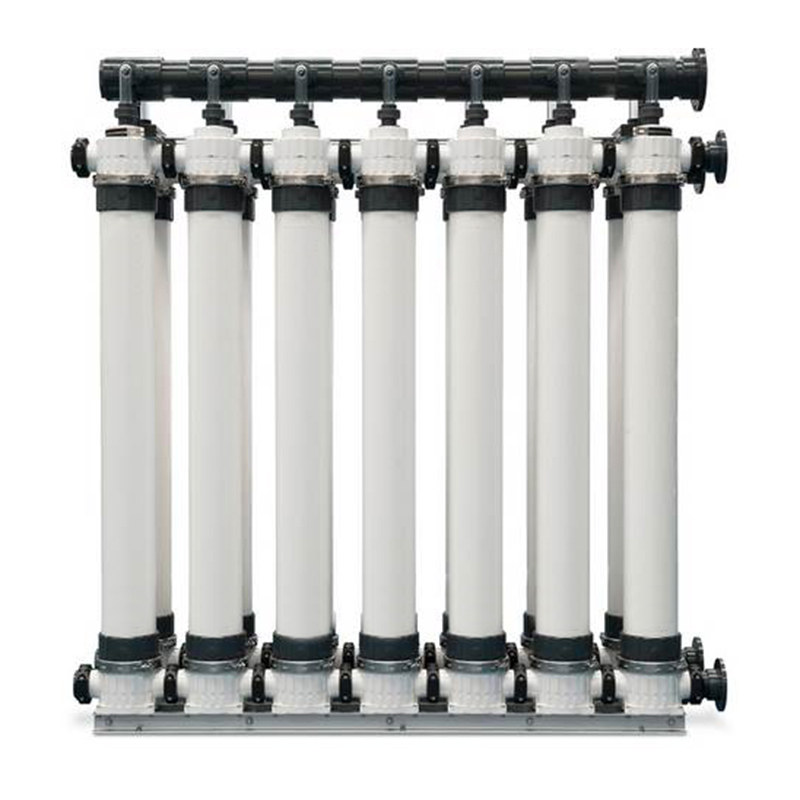
Innen industriell vannrensing er det nødvendig med strenge kvalitetsstandarder. Som svar på denne utfordringen skiller et membranfilter med en PVDF...
Se detaljer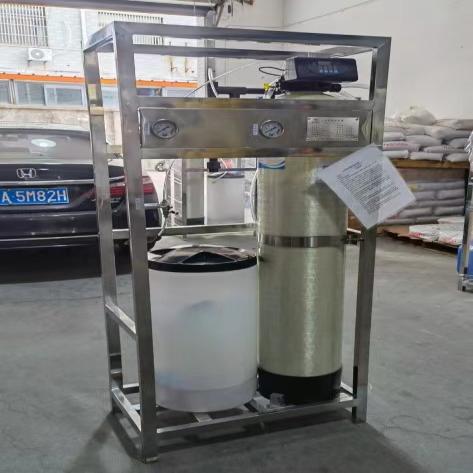
1 tonn enkelttank er en enhet for lagring og dosering av vannbehandlingskjemikalier, vanligvis brukt i doseringslenken til vannbehandlingssystemer....
Se detaljer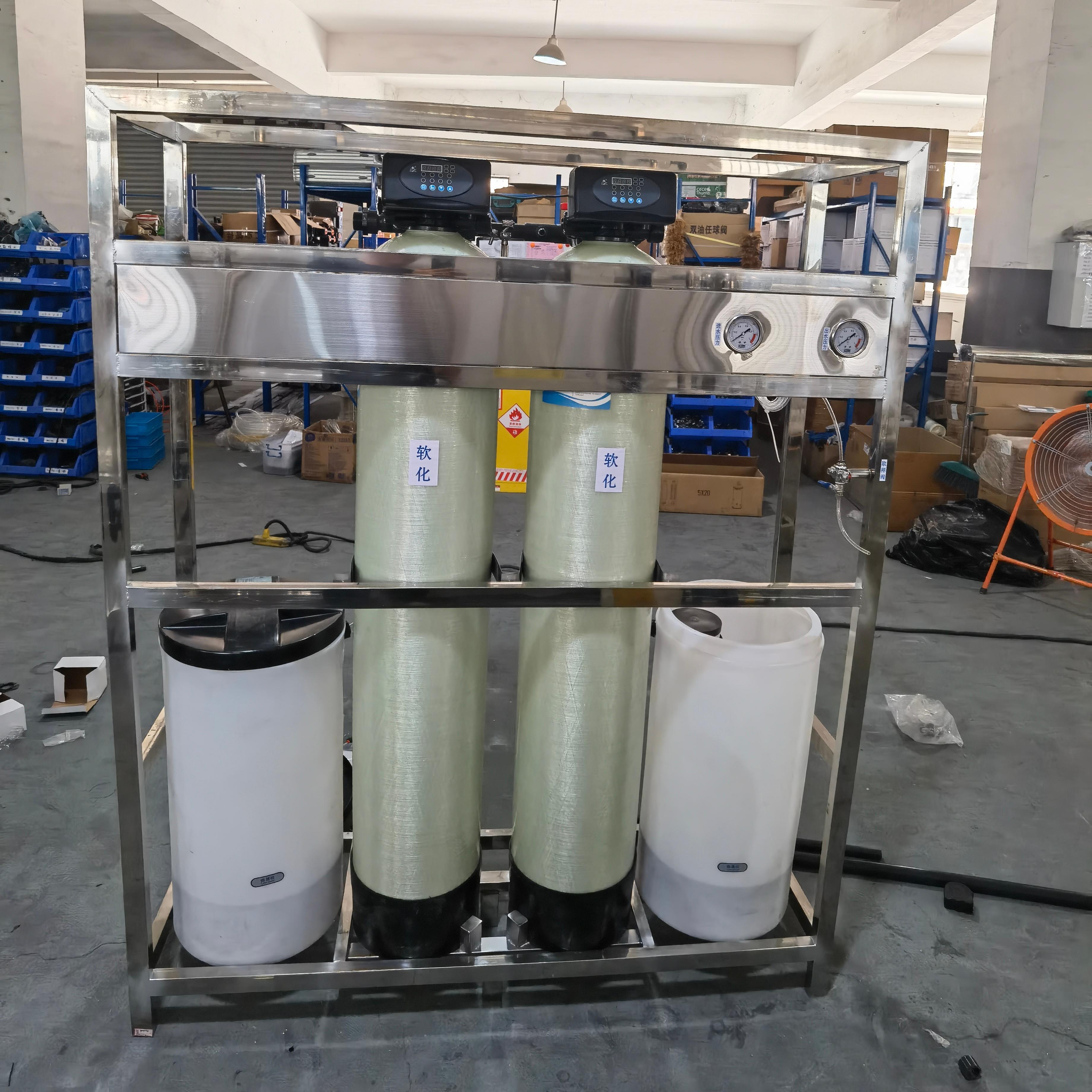
1 tonn dobbel ventil dobbelttank Kontinuerlig vannforsyning er et effektivt og stabilt vannbehandlingsutstyr, mye brukt i myknet vann, demineralise...
Se detaljer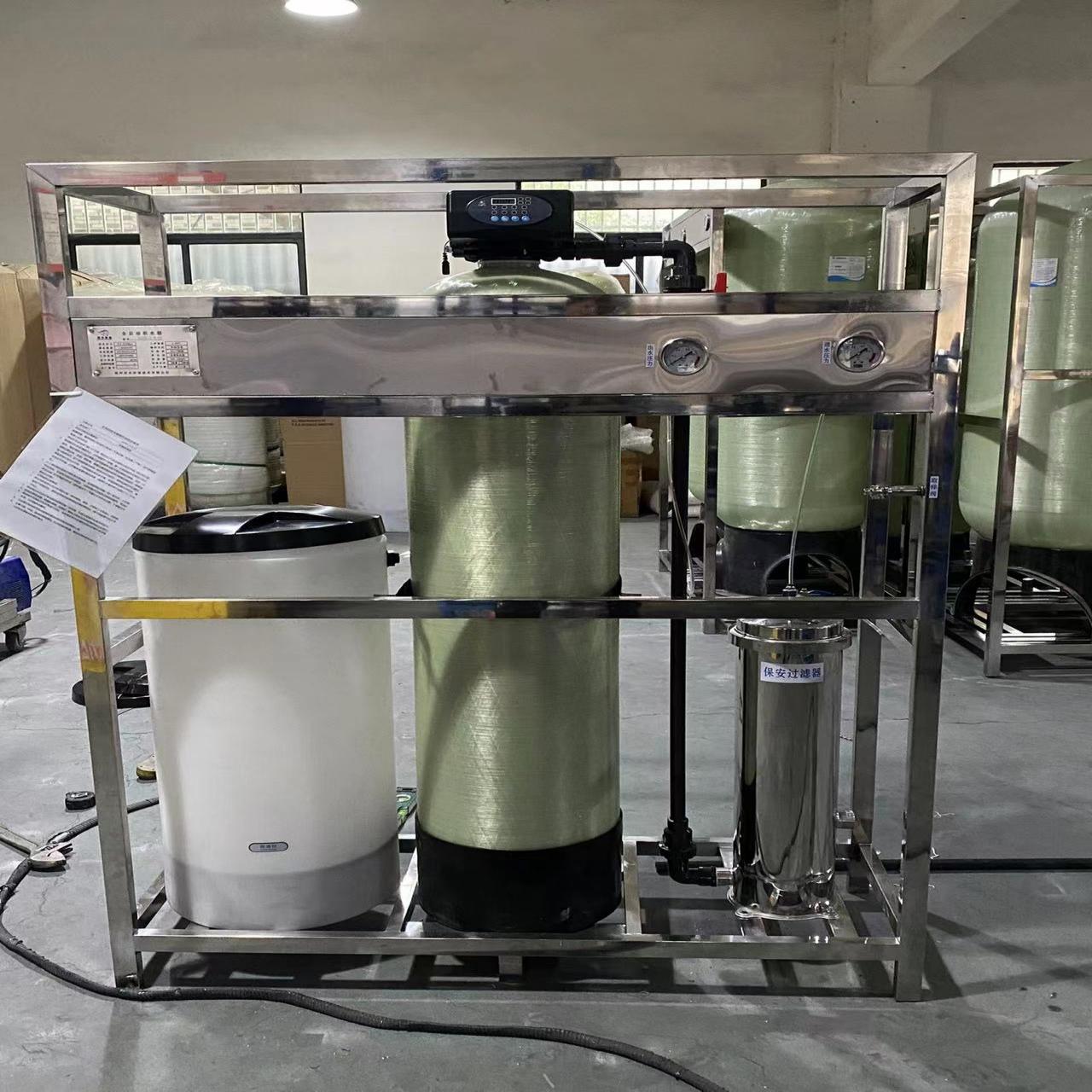
Den 2-tonns enkelttanken med presisjonsfiltrering er en enhet designet for små og mellomstore vannbehandlingsbehov. Den vedtar en enkelt tankstrukt...
Se detaljer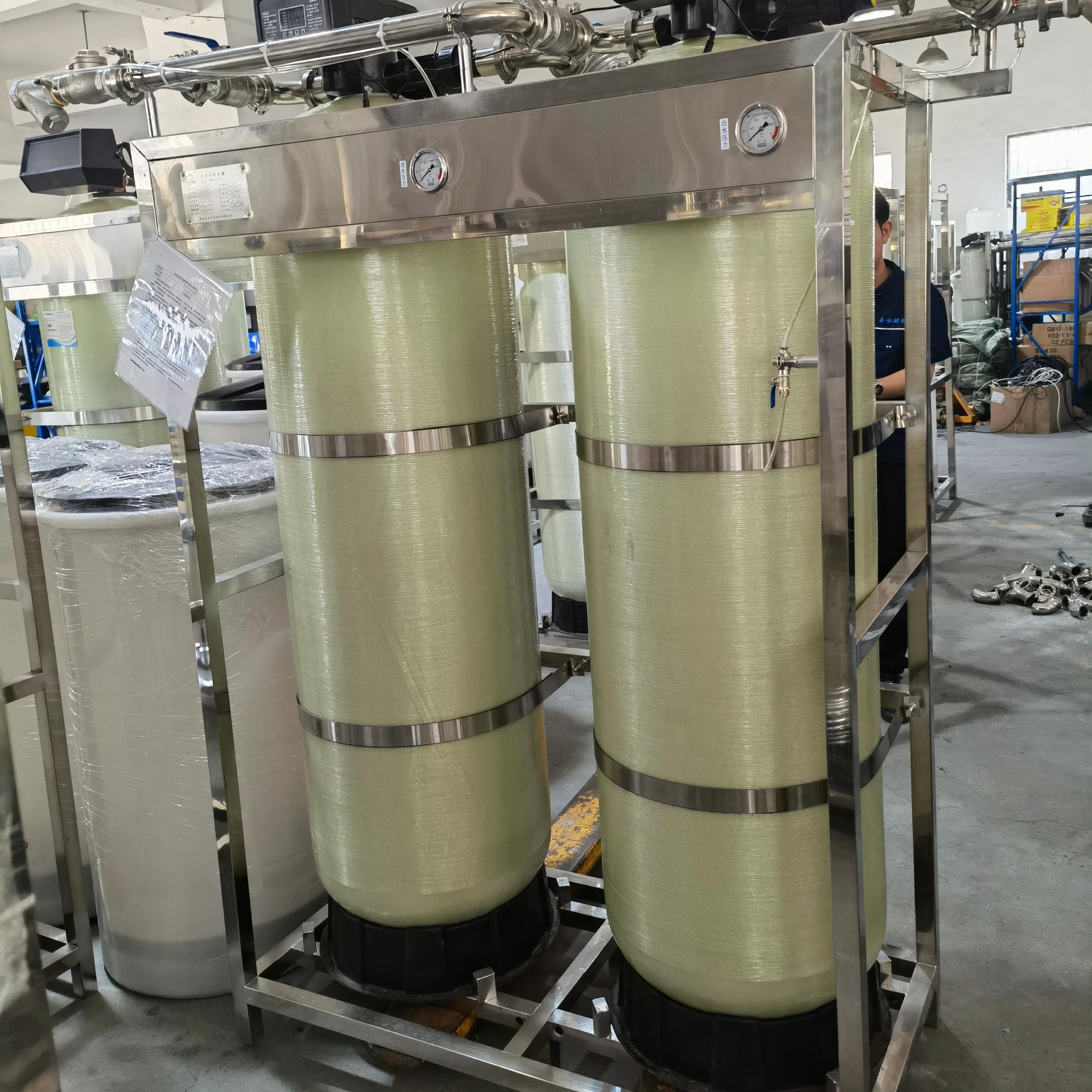
Dette 6-tonns dobbeltventils kontinuerlige vannforsyningsutstyr er designet for å gi effektive og stabile vannbehandlingsløsninger. Gjennom dobbelt...
Se detaljer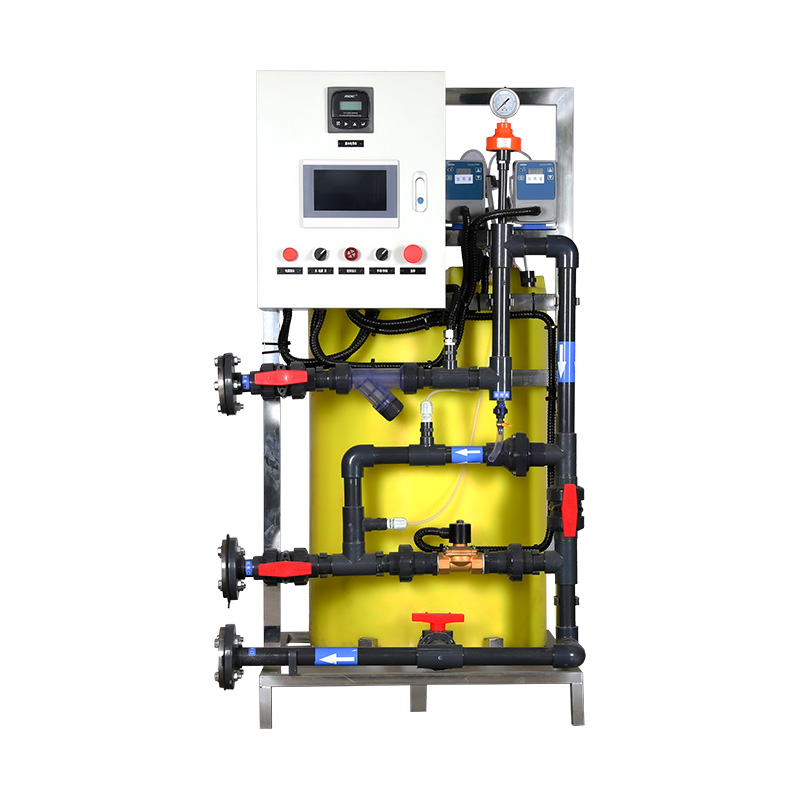
Doseringssystemet er en enhet som integrerer dosering, omrøring, flytende transport og automatisk kontroll. Det brukes hovedsakelig i råvann, vannf...
Se detaljer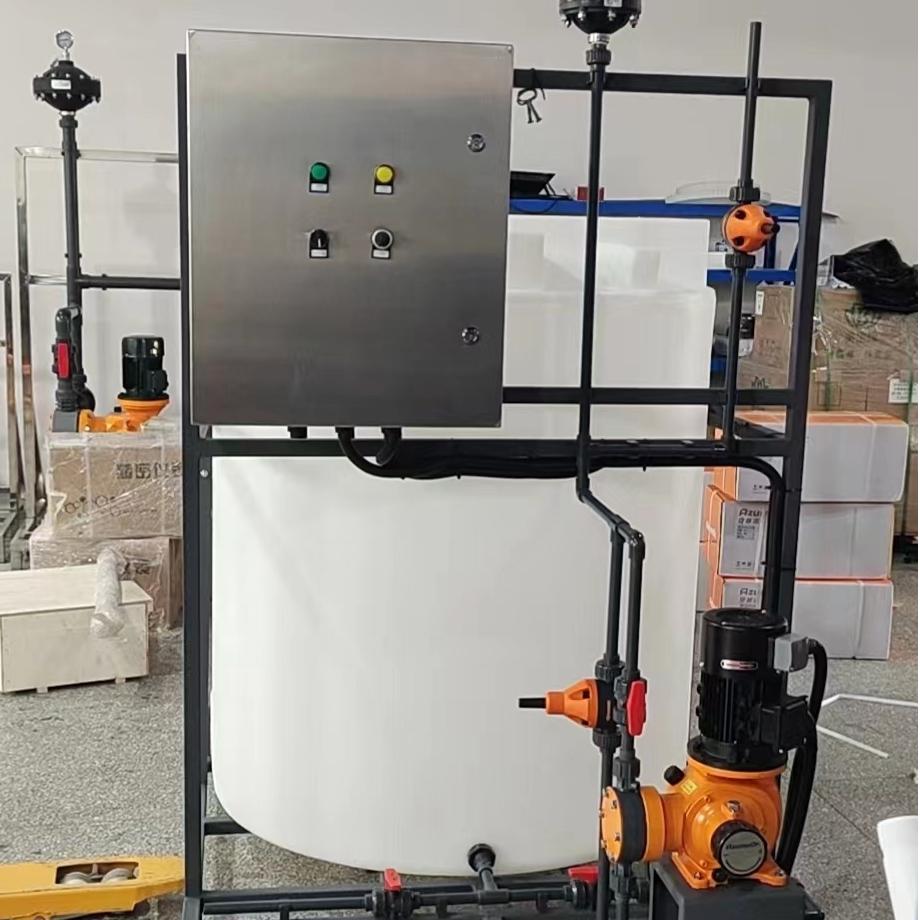
Enkeltpumpe enkeltfat doseringsenhet for flokkulering er en automatisk doseringsenhet som brukes i vannbehandlingsprosessen. Det brukes spesielt ti...
Se detaljer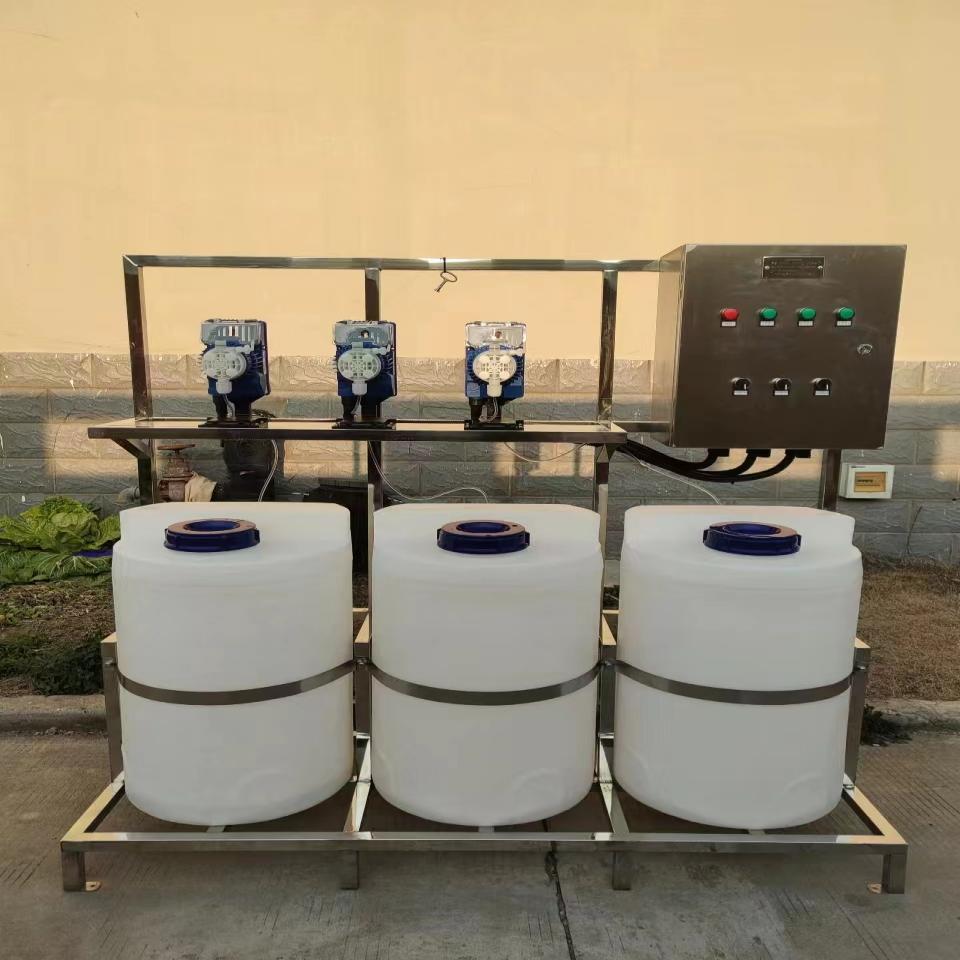
Flokkuleringsskalainhibering og sterilisering tre-pump tre-tønne sirkulerende vannsystem doseringsenhet er en enhet som er spesielt brukt til sirku...
Se detaljer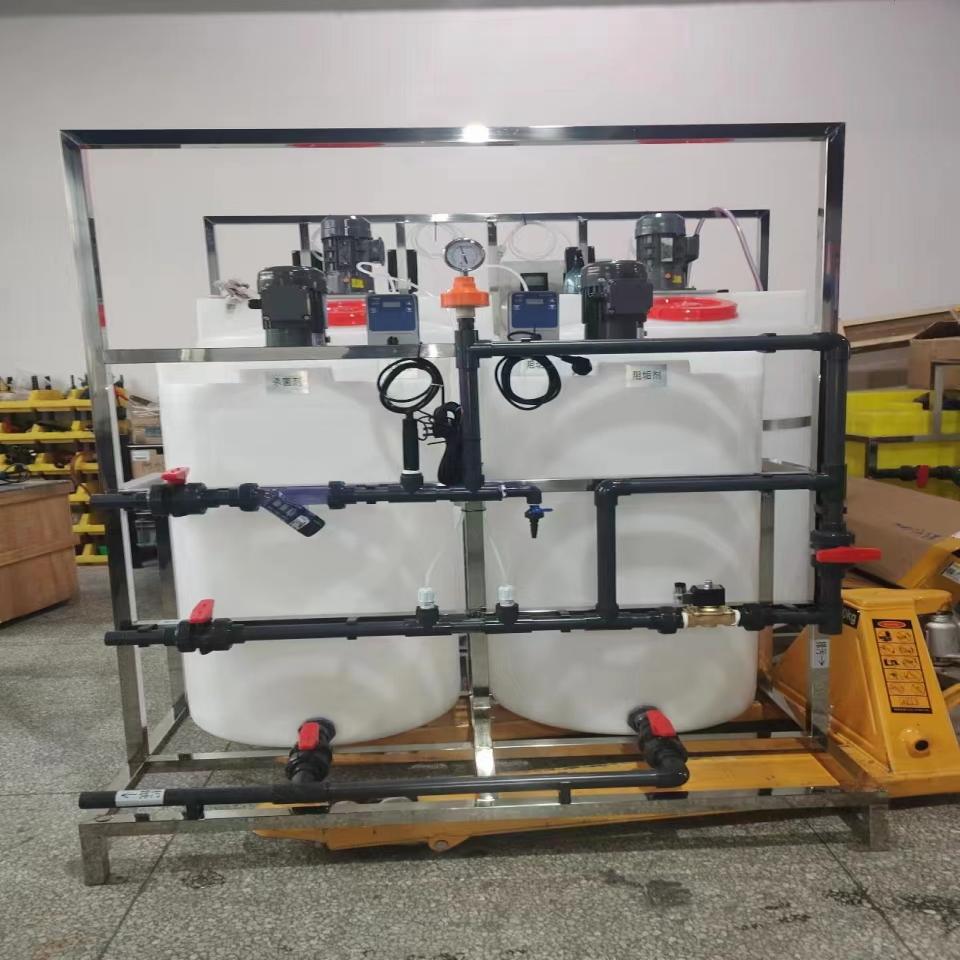
Skala-inhiberende og sterilisering av sirkulerende doseringsanordning for vannsystem er et vannkvalitetsbehandlingsutstyr designet for sirkulerende...
Se detaljer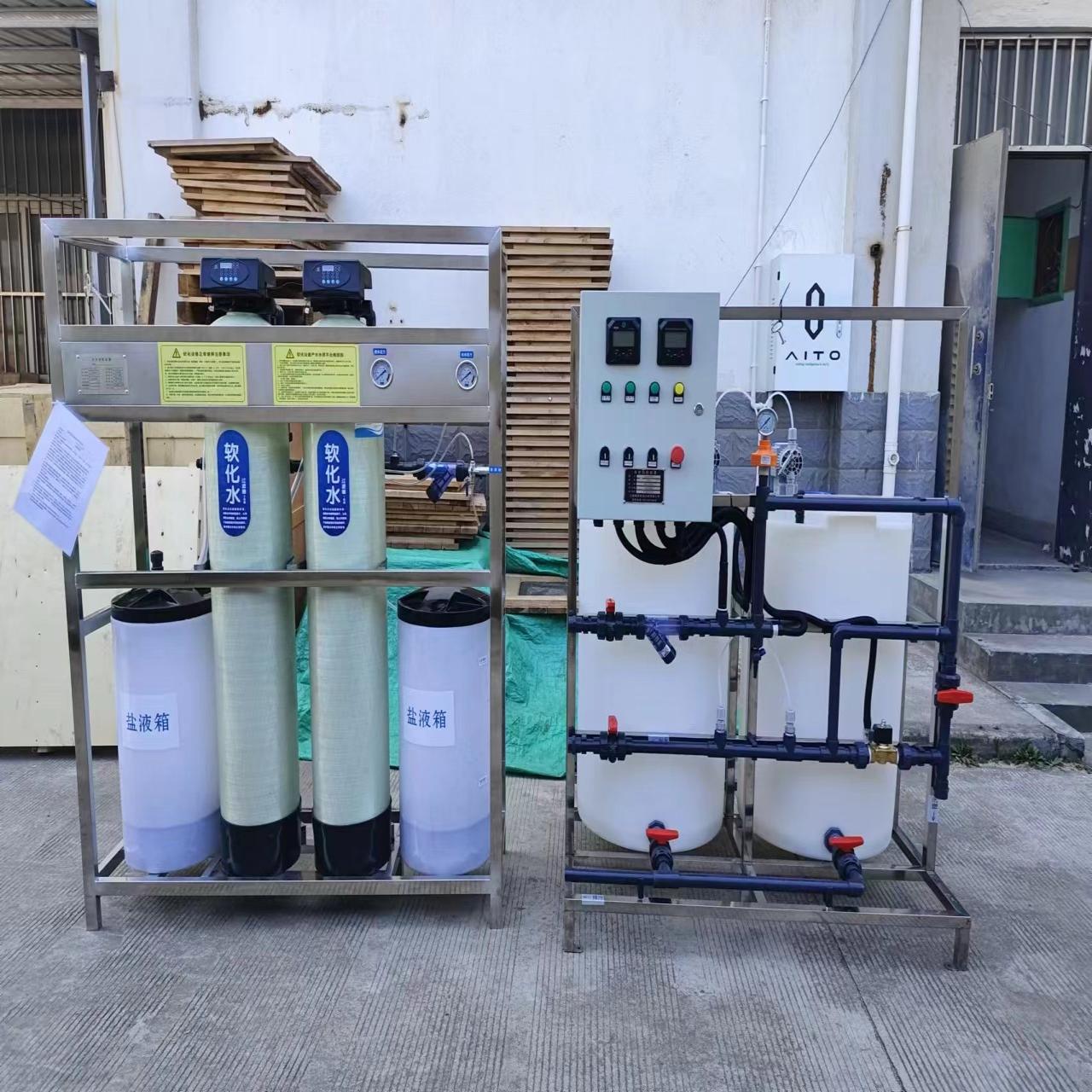
Det sirkulerende vannsystemet mykgjørende, påfyll, steriliserende og doseringsanordningen er et spesialutstyr for industrielt sirkulerende vannbeha...
Se detaljer
+86-13396595772
[email protected]
[email protected]
[email protected]
[email protected]
Rom 508, Xingyuncheng, No.15 Xingling Street, Xingqiao Street, Linping District, Hangzhou City, Zhejiang Province.
Opphavsrett ©2024 Hangzhou Roushui Environmental Protection Technology Co., Ltd. Alle rettigheter forbeholdt. Tilpasset industrielt sivilt vannbehandlingsrensing Utstyr Produsenter
